When Something in the Relationship Doesn’t Feel Right
At first, everything may feel perfect.
The person may seem incredibly attentive, charming, and deeply interested in you. They compliment you often, check on you constantly, and make you feel valued in ways you may not have experienced before.
But over time, things may begin to change.
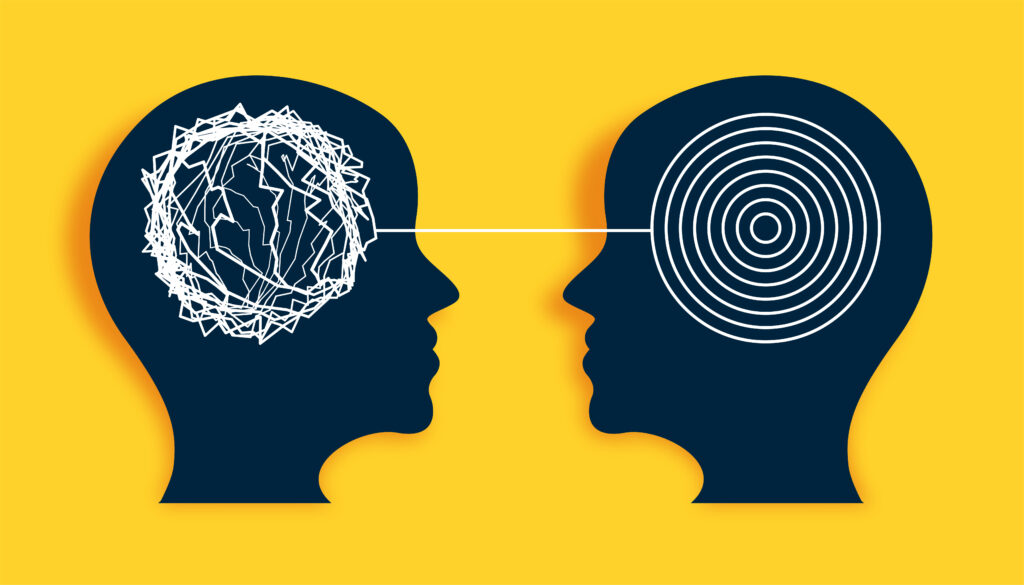
Conversations start leaving you feeling confused. You find yourself apologizing more often, even when you are not sure what you did wrong. Your feelings may be dismissed, your opinions questioned, or your concerns minimized.
Slowly, the relationship that once felt exciting begins to feel emotionally exhausting.
Many people in these situations start to doubt themselves. They may wonder, “Am I overreacting?” or “Maybe I’m the problem.”
In reality, these experiences can sometimes be signs of a narcissistic relationship dynamic.
At Pillar for Mental Health Support, we believe that awareness is a powerful step toward healing. When people understand unhealthy relationship patterns, they are better able to protect their emotional well-being and seek the support they deserve.
What Is Narcissism?
Narcissism refers to a pattern of behavior where a person has an exaggerated sense of self-importance, a strong need for admiration, and difficulty empathizing with others.
Everyone can display self-centered behavior occasionally. However, narcissism becomes concerning when these patterns are persistent and begin to harm the people around them.
In more severe cases, narcissistic traits may be associated with Narcissistic Personality Disorder (NPD), a mental health condition that affects how a person views themselves and relates to others.
Individuals with strong narcissistic tendencies often struggle to maintain healthy relationships because their need for validation, admiration, or control can overshadow empathy, respect, and mutual understanding.
10 Red Flags of a Narcissistic Relationship
Recognizing the signs of narcissistic behavior can help people better understand why a relationship may feel confusing or emotionally draining.
Here are some common red flags:
1. Everything revolves around them
Conversations, decisions, and attention often center on their needs, achievements, or opinions.
2. They rarely take responsibility
When problems arise, they often blame others instead of acknowledging their own actions.
3. They dismiss your feelings
Your emotions may be minimized, ignored, or described as “too sensitive.”
4. They manipulate situations
They may use guilt, blame, or emotional pressure to influence decisions or control outcomes.
5. They struggle with criticism
Even gentle feedback may trigger anger, defensiveness, or retaliation.
6. They make you question yourself
Through gaslighting or denial, they may cause you to doubt your own memory or judgment.
7. The relationship feels one-sided
You may feel like you are constantly giving while receiving little emotional support in return.
8. They seek constant admiration
They often crave praise, validation, and recognition from others.
9. They may isolate you
Sometimes they subtly discourage your relationships with friends or family.
10. You feel emotionally drained
Instead of feeling supported and valued, you often feel exhausted, anxious, or unsure of yourself.
Not every difficult person is a narcissist. However, when these patterns appear consistently, they can significantly affect a person’s emotional well-being.
The Emotional Impact of Narcissistic Relationships
Being in a relationship with someone who displays strong narcissistic traits can slowly erode a person’s confidence and emotional stability.
Many individuals in these relationships report feeling:
- Confused and questioning themselves
- Emotionally drained
- Constantly criticized or blamed
- Anxious or walking on eggshells
- Isolated from friends or loved ones
- A gradual loss of confidence and self-worth
Over time, these experiences can contribute to stress, anxiety, depression, and emotional trauma.
Understanding what is happening is often the first step toward healing.
Why Awareness Matters
Narcissistic relationships often do not begin in an obvious way. In the early stages, the person may appear charming, attentive, and deeply invested in the relationship.
They may shower you with compliments, attention, and affection. This phase is sometimes referred to as love bombing, and it can make the relationship feel exciting and deeply meaningful.
However, as time goes on, patterns of criticism, manipulation, or emotional distance may begin to appear.
Awareness helps individuals:
- Recognize unhealthy patterns early
- Protect their emotional well-being
- Set healthy boundaries
- Seek professional support when necessary
Understanding narcissism is not about labeling people, but about recognizing behaviors that may harm mental health.
Why People Stay in Narcissistic Relationships
Many people wonder why someone would remain in a relationship that feels emotionally exhausting or unhealthy. The reality is often more complex than it appears.
Narcissistic relationships usually develop gradually. The strong emotional connection formed in the beginning can make it difficult to recognize unhealthy patterns later.
Some reasons people stay include:
Emotional attachment
Strong emotional bonds can make it difficult to walk away, especially when the relationship once felt loving and supportive.
Hope that things will change
Many people continue hoping the person will return to the caring partner they experienced at the beginning.
Self-doubt
Repeated criticism or manipulation can cause someone to question their own judgment.
Fear of being alone
The idea of starting over can feel overwhelming.
Family responsibilities
Children or shared responsibilities can make leaving more complicated.
Loss of confidence
Over time, emotional manipulation may weaken a person’s trust in their own decisions.
Staying in such a relationship does not mean someone is weak. Often, it reflects the emotional complexity of relationships and the deep desire for connection and stability.
How to Protect Your Mental Health
If you believe you may be dealing with narcissistic behavior in your life, there are steps that can help protect your emotional well-being.
Educate yourself
Learning about narcissistic behavior can help you better understand your experiences.
Set healthy boundaries
Clear boundaries help protect your emotional space and reduce manipulation.
Trust your feelings
If something consistently feels confusing or emotionally draining, it is important to pay attention to those feelings.
Maintain supportive relationships
Friends, family, and trusted mentors can provide perspective and encouragement.
Seek professional support
A mental health professional can help you process your experiences and develop healthy coping strategies.
5 Steps to Begin Healing from a Narcissistic Relationship
Healing from a difficult relationship takes time, patience, and support. While every journey is different, these steps can help begin the healing process.
1. Acknowledge your experience
Recognizing that your feelings and experiences are valid is an important step toward healing.
2. Reconnect with your sense of self
Take time to rediscover your values, interests, and identity.
3. Set healthy boundaries
Boundaries help protect your emotional well-being moving forward.
4. Rebuild supportive relationships
Spending time with trusted people can help restore confidence and emotional balance.
5. Seek professional support
Therapy or counseling can provide guidance, understanding, and tools for healing.
Healing is not about rushing the process. It is about gradually restoring peace, dignity, and self-worth.
When to Seek Help
If you find yourself feeling overwhelmed, emotionally manipulated, or struggling with your mental well-being because of a relationship, reaching out for support can be an important step toward healing.
Seeking help is not a sign of weakness. It is a courageous step toward protecting your emotional health and rebuilding your life.
At Pillar for Mental Health Support, we are committed to providing compassionate counseling, mental health education, and a safe space for individuals navigating difficult emotional experiences.
You do not have to face the journey of healing alone.
Pillar for Mental Health Support
Restoring emotional well-being. Rebuilding lives.

